- Guides
- Houseplant gifts: the best plants to give, matched to the person
Guide
Houseplant gifts: the best plants to give, matched to the person
Four plants worth giving, with notes on pets, light and watering, plus what to choose for a housewarming, a new job, a sympathy gift or a home with kids.
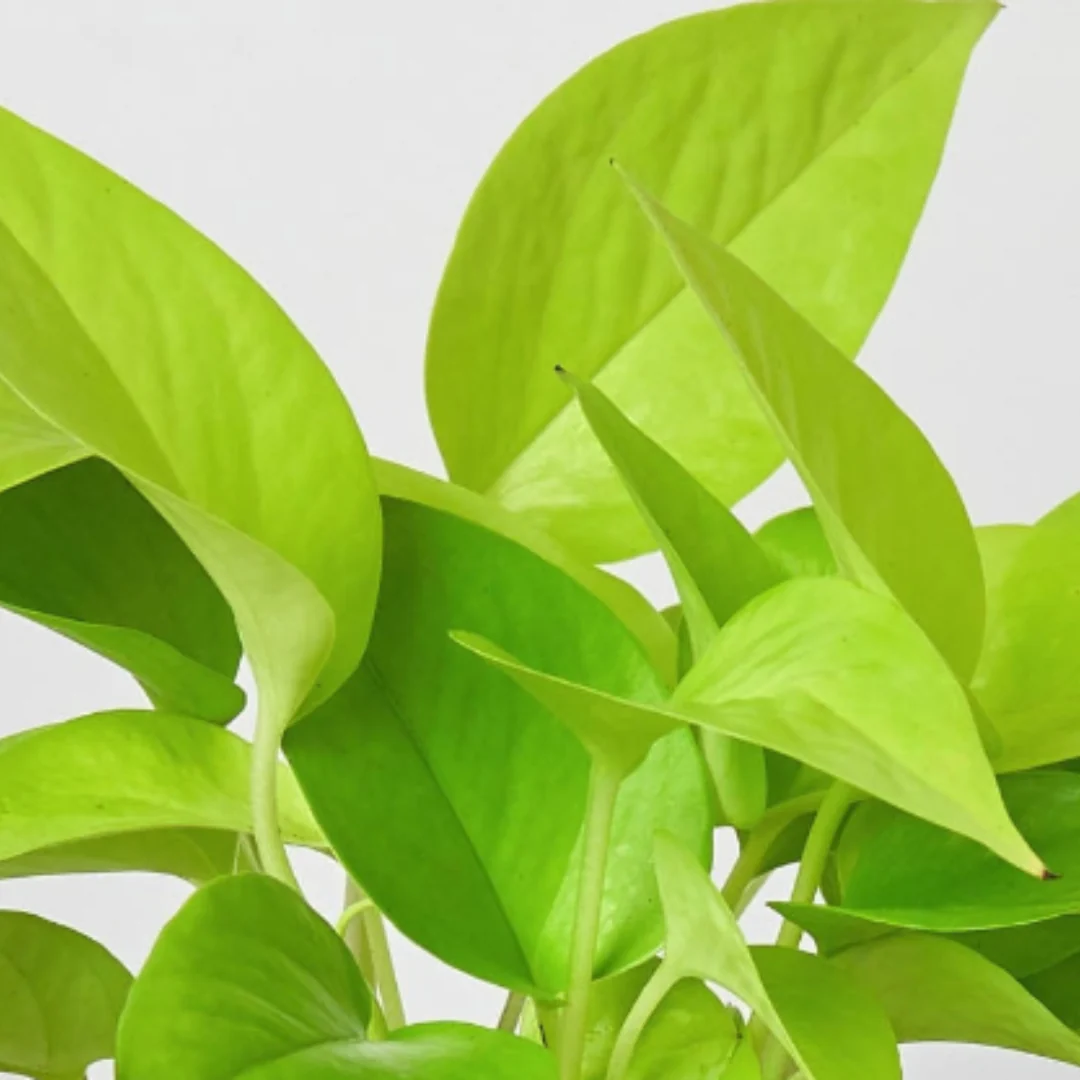
Houseplant gifts that suit the person
Good houseplant gifts start with the person, not the plant. A plant that suits their rooms and their routine will still be on the windowsill next spring. One that doesn't turns into a small chore, or a small guilt. This guide picks four of our nine plants that make good gifts, and the notes say plainly what each one needs.
Every plant is potted at the greenhouse and arrives in one box, ready to set down. That matters for a gift: there's no repotting, no bag of soil and no mess for the person opening it. Each plant comes in a recycled eco pot in terracotta or black, in a Small 4-inch or a Medium 6-inch size. Here is how it works.
If they have a cat or dog, start with the money tree, which the ASPCA lists as non-toxic to cats and dogs. The ASPCA lists the rattlesnake plant as non-toxic too. For someone who forgets to water, golden pothos is hard to beat, and for a friend who likes to share, the Chinese money plant makes pups that can be passed on. Our guide to pet-safe houseplants covers all nine of our plants.
The plants
Money Tree
Pachira aquatica
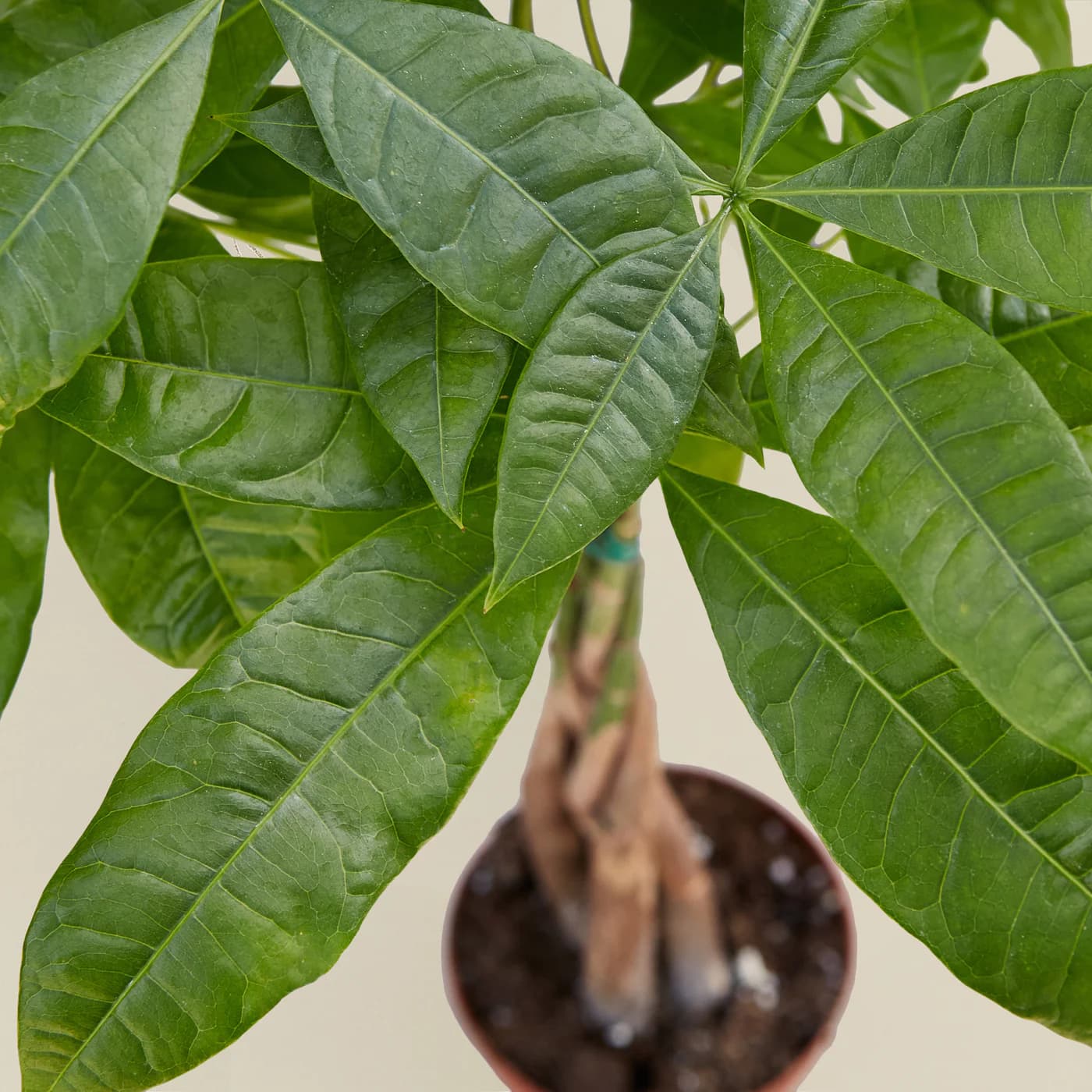
The classic good-luck gift, and the one to choose for a home with cats or dogs, since the ASPCA lists the money tree as non-toxic to both. NC State Extension says braiding the trunk began in Taiwan, where it was thought to lock in fortune. It wants indirect light, because direct sun can scorch the leaves, and soil that never sits in standing water. Eating any plant can still upset a pet's stomach, the ASPCA notes.
Pet safeMedium to bright lightGolden Pothos
Epipremnum aureum
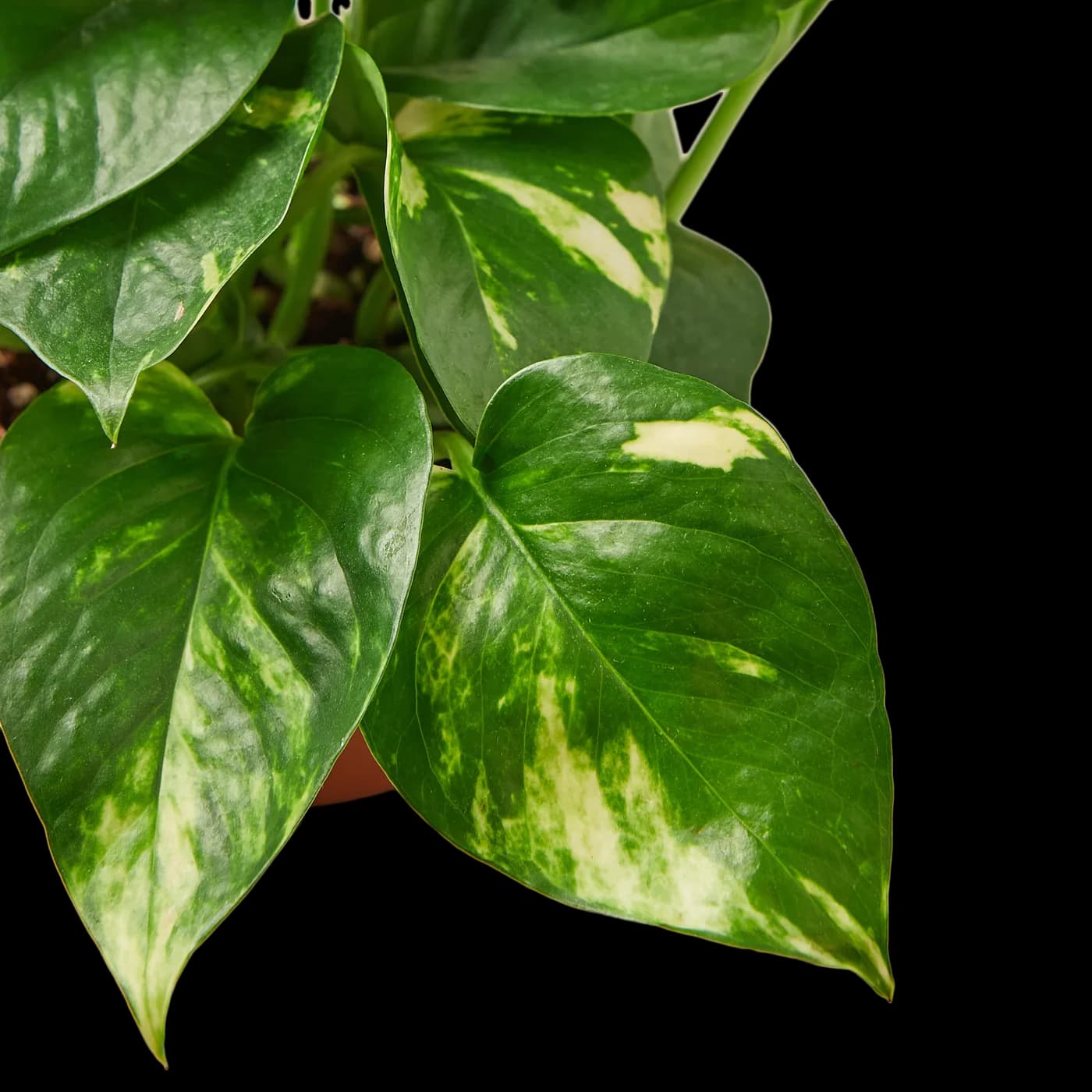
The gift for someone who forgets to water or has a dim room. Penn State Extension says pothos is better kept too dry than too wet, and that it survives low light for quite some time, though its yellow variegation fades there. Its trailing vines suit a shelf or the top of a bookcase. It is toxic to cats and dogs according to the ASPCA, so check for pets first.
Toxic to petsLow to bright lightChinese Money Plant
Pilea peperomioides
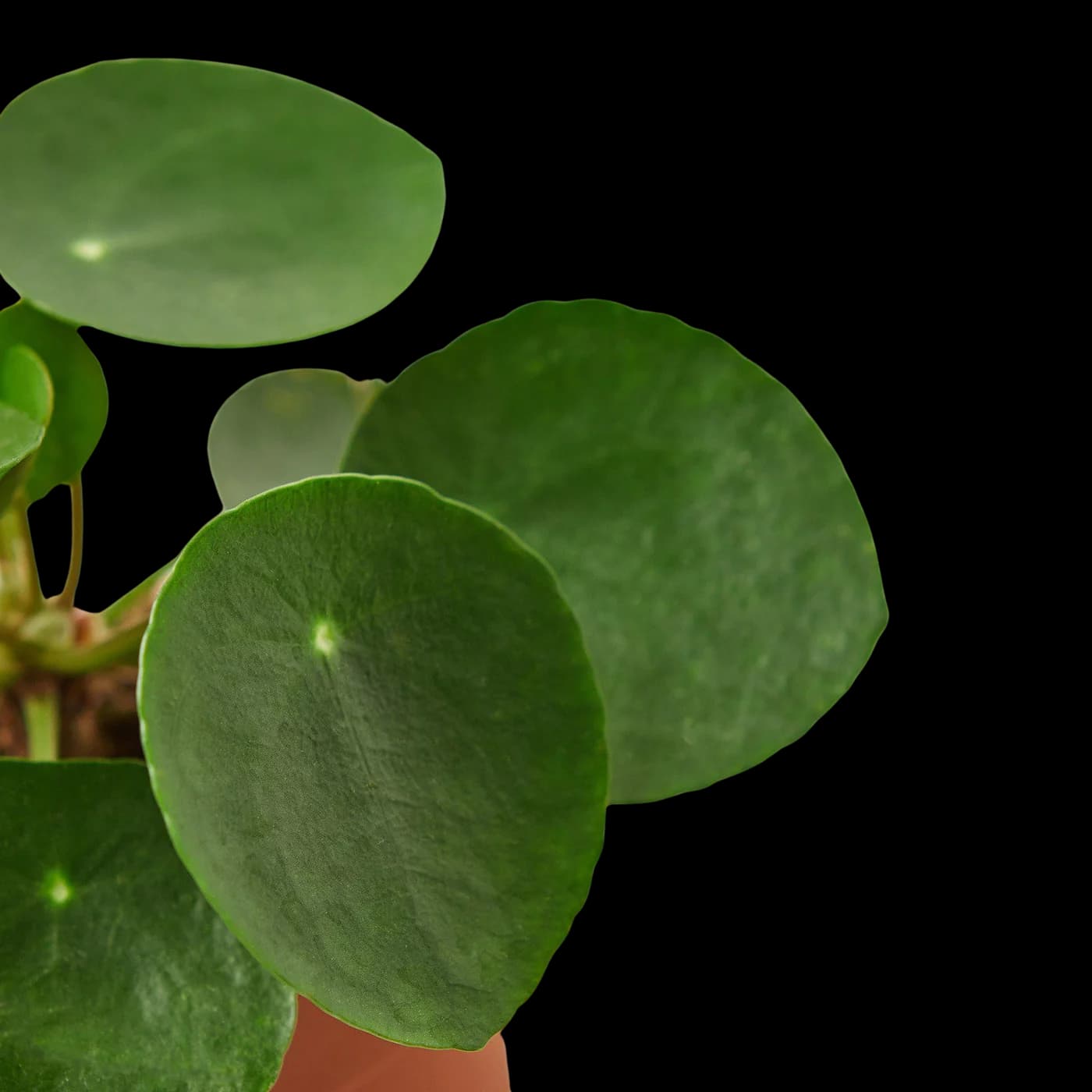
A cheerful pick for a housewarming or a friend who likes to share. Penn State Extension says this compact, coin-leaved plant makes offsets, or pups, that can be potted up and passed on, and that it wants bright, indirect light. An ASPCA article from 2021 calls it non-toxic, but it has no entry on the ASPCA plant list, so we don't call it pet safe.
Not on ASPCA listMedium to bright lightNeon Pothos
Epipremnum aureum 'Neon'
Color without flowers. Neon is a form of the same pothos species, with bright chartreuse leaves, and Penn State Extension says pothos does best in moderate to bright light, out of direct sun. It takes the same easy, better-dry-than-wet watering as golden pothos. It is toxic to cats and dogs according to the ASPCA.
Toxic to petsMedium to bright light
Why is a money tree a popular gift?
The money tree, Pachira aquatica, comes with a story. NC State Extension says it became very popular in Taiwan in the 1980s and was valued in feng shui for bringing positive energy and prosperity to a home. The braided trunk started there too: the stems of young plants are flexible enough to braid, and braiding was thought to lock in luck or fortune. The name, according to the same source, comes from a tale about a poor man who grew rich selling the tree's edible nuts.
It suits a gift for practical reasons, too. It's popular in homes and offices, and the ASPCA lists it as non-toxic to cats and dogs. It likes indirect light, since NC State notes that direct sun can scorch its leaves, and it doesn't tolerate standing water. Don't expect flowers: NC State says a braided money tree won't bloom indoors.
One thing to know before you give one: it is a real tree. NC State says it typically grows no more than 6 to 8 feet tall as a houseplant, so a Small money tree on a desk may one day graduate to the floor.
Plant gifts for housewarmings, new jobs, sympathy and homes with kids
Some gifts come with a setting already attached. Here is what to choose for four common ones:
- A housewarming: the money tree is the traditional pick, for the reasons above. If you know they have a bright spot, the Chinese money plant is a cheerful alternative. Penn State Extension notes that it makes offsets, or pups, that can be potted up on their own and passed on.
- A new job or a new business: a Small money tree fits a desk, and NC State notes it's a popular office plant. Golden pothos is the other easy office gift. Penn State Extension says it is better kept too dry than too wet, a useful trait in a busy office. Our guide to desk plants has more options.
- A sympathy gift: choose something calm that asks little of a grieving person. Golden pothos survives a dim room for a long time and forgives a missed watering, according to Penn State Extension, and it's a plant people keep and pass along for years. Ask about pets first, since it is toxic to cats and dogs.
- A home with small children: the ASPCA's verdicts cover cats and dogs, not people, so they can't tell you what's safe for a toddler. Penn State Extension notes that pothos is poisonous to people as well as pets, though not lethal. Whatever you give, suggest a high shelf, with trailing stems kept out of reach.
What should you check before giving someone a plant?
Ask about pets, even casually. Of our nine plants, the ASPCA lists the money tree and the rattlesnake plant as non-toxic to cats and dogs. It lists golden pothos, satin pothos, heartleaf philodendron and Dieffenbachia as toxic, and neon pothos is the same species as golden pothos. Our Swiss cheese vine isn't on the list, but its close relative Monstera deliciosa is listed as toxic, so we never call it pet safe. One name trap: the ASPCA notes that the jade plant, which is toxic, is also sometimes called a money tree, so if you shop elsewhere, look for the botanical name Pachira aquatica. If a pet chews a toxic plant, call a vet or the ASPCA Animal Poison Control Center at (888) 426-4435.
Then think about light. All four picks want indirect light, out of hot direct sun. The pilea wants the brightest spot, and Penn State suggests several feet back from a window or behind a sheer curtain. Golden pothos is the most forgiving of a dim room, though Penn State notes that pothos kept in low light eventually loses its variegation or the brightness of its leaves, depending on the variety.
Last, think about timing and space. Plants usually arrive in about 3 to 8 business days, 1 to 4 to leave our grower's greenhouse and 2 to 4 in transit, so order early for a birthday or any date that matters. We add winter protection in cold weather. A Small fits a nightstand or narrow sill, and a Medium suits a side table or dresser. We ship to the contiguous US (not Alaska or Hawaii), so check where they live first. The shipping page has the rest of the details.
Simple care notes to pass along
Most people who receive a plant want to know one thing: what to do next. The answer is short enough to text them. Every plant comes with Patina's 30-day guarantee: if it arrives damaged or declines in its first 30 days, we replace it, so ask them to let you know if something goes wrong. Here's what to tell them:
- Take it out of the box, set it somewhere with bright, indirect light, and give it a few days to settle after the trip.
- Check the soil with a finger before watering, and water when the top inch feels dry. Penn State says to water pothos when the soil is dry, and that it's better kept too dry than too wet. Pileas like their watering just right, neither soggy nor parched. NC State notes that the money tree doesn't tolerate standing water and can drop leaves if its soil gets too dry.
- Water slowly until the soil is evenly moist, then tip out any water that collects in a saucer or cover pot. Never leave the pot standing in water.
- Turn the pot now and then. Penn State notes that pothos leaves grow toward the light, and suggests a weekly turn for even growth.
- Keep it out of drafts and away from heating vents, which Penn State warns against for pileas.
- For more, point them to our houseplant care guide and our guide to watering houseplants.
Questions
What are the best houseplants to give as gifts?
Forgiving plants make the best gifts, because the person didn't choose to take on a project. Look for one that recovers from a missed watering and fits the light they have. Golden pothos suits most homes without pets, the money tree suits a room with good indirect light and a home with cats or dogs, and the Chinese money plant suits someone with a bright spot who likes to share.
Is a money tree safe for cats and dogs?
Yes, according to the ASPCA, which lists the money tree, Pachira aquatica, as non-toxic to cats and dogs. The ASPCA also points out that the jade plant, which is toxic, is sometimes called a money tree too, so check the botanical name if you buy one elsewhere. Our money tree guide covers one more wrinkle: many braided money trees are thought to be a close relative, Pachira glabra, which the ASPCA doesn't list by name. Non-toxic doesn't mean no problem: eating any plant can give a pet a mild upset stomach.
What is a good plant gift for someone who travels a lot?
Golden pothos copes well with an irregular schedule. Penn State Extension says it is better kept too dry than too wet, and that too little water may just make the leaves droop for a while. Choose a Medium if you can, since a 6-inch pot holds more soil than a 4-inch Small. It is toxic to cats and dogs, so for a pet home, the money tree is the better choice, though NC State notes it can drop leaves if its soil gets too dry.
What's a good plant gift for someone with a dark apartment?
No houseplant grows in true darkness. Of the plants in this guide, golden pothos copes best with a dim room: Penn State Extension says it survives low light for quite some time, though it gradually loses its bright markings there. It is toxic to cats and dogs. Our guide to low-light houseplants goes into more detail.
Which houseplants are safe to give someone with a dog?
From our lineup, the ASPCA lists the money tree and the rattlesnake plant, under the name Caeroba, as non-toxic to dogs and cats. Puppies and young dogs often dig in pots and chew leaves, so a shelf or plant stand protects the plant, and chewing any plant can upset a dog's stomach. Skip golden pothos, neon pothos, satin pothos, heartleaf philodendron and Dieffenbachia, which the ASPCA lists as toxic, and the Swiss cheese vine, whose close relative Monstera deliciosa is listed as toxic. The pilea has no entry on the ASPCA plant list, so we don't call it pet safe.
How long does a plant gift take to arrive?
Usually about 3 to 8 business days: 1 to 4 to leave the greenhouse, then 2 to 4 in transit. We add winter protection in cold weather, and we ship to the contiguous US. Let them know a plant is on the way so they can bring the box inside soon after it arrives. If it arrives damaged or declines in its first 30 days, we replace it.
Sources
- NC State Extension Plant Toolbox: Pachira aquatica (money tree)
- Penn State Extension: Pothos as a Houseplant
- Penn State Extension: Pilea as a Houseplant
- ASPCA Animal Poison Control: Toxic and Non-Toxic Plant List, Cats
- ASPCA Animal Poison Control: Toxic and Non-Toxic Plant List, Dogs
- ASPCA (April 2021): Are Succulents Safe to Have Around Pets? (Chinese money plant non-toxic; jade plant also called money tree)